Agrifood
—3 september 2026
September 3, 2026
3 minutes
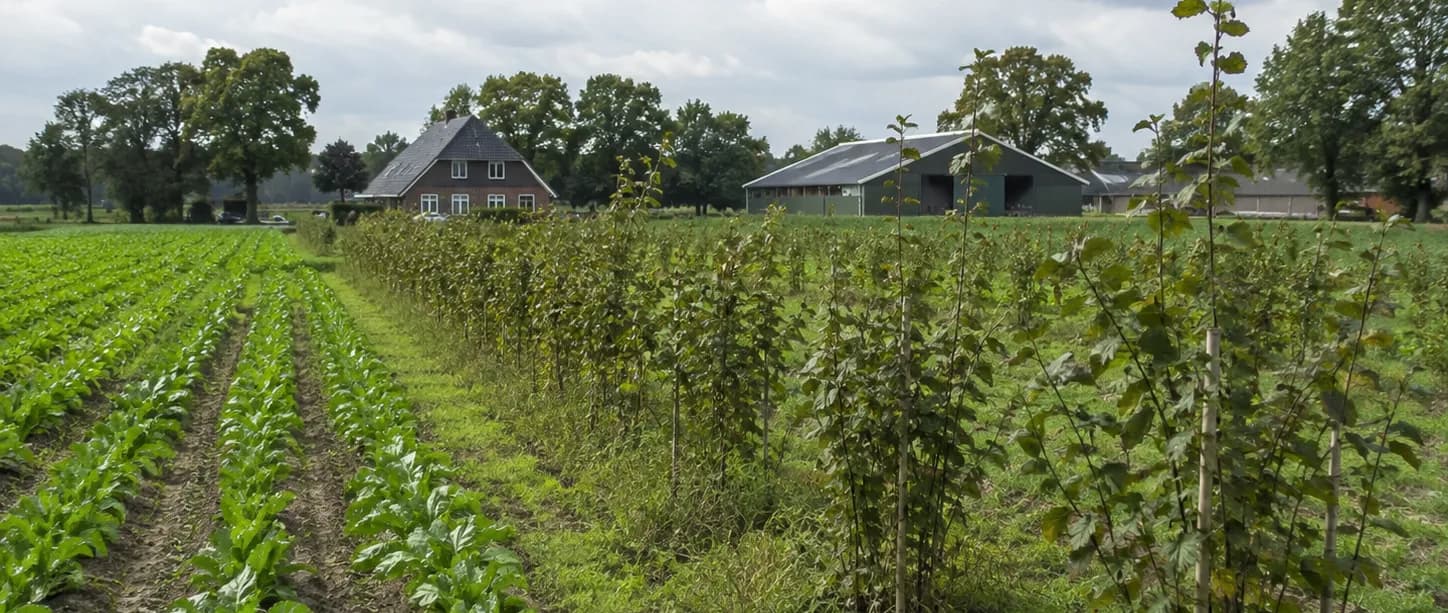
Agroforestry can contribute to a future-proof food system. This way of farming creates opportunities for biodiversity, climate adaptation and agricultural business models. A new exploration by Invest-NL shows that further scaling up now mainly requires stronger value chains, market commitment and public integration. This market development is needed before a scalable demand for financing can emerge.
A healthy and future-proof food system requires agriculture that combines food production with the restoration of soil and biodiversity, while also offering agricultural entrepreneurs the prospect of a sustainable business model. Regenerative agriculture therefore plays an important role in Invest-NL’s vision for the future of our food system.
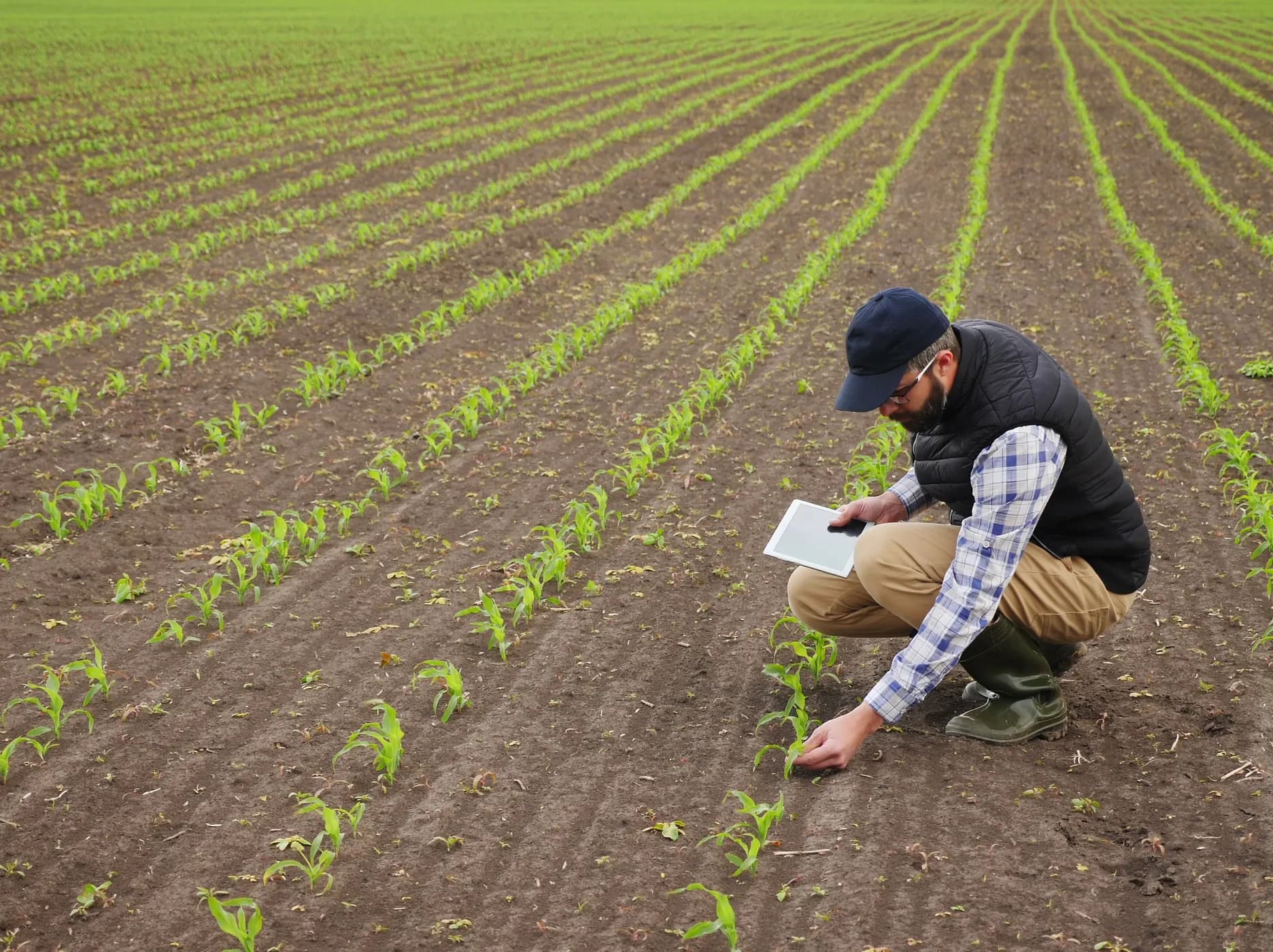
Agroforestry can contribute to this. It combines trees and shrubs with arable farming, livestock farming or vegetable production. This can contribute to soil quality, water management, biodiversity and new income for agricultural entrepreneurs. Interest is growing, but scaling up requires new investment. Invest-NL therefore investigated which financing barriers are holding back the growth of agroforestry and whether a public-private financing solution could help.
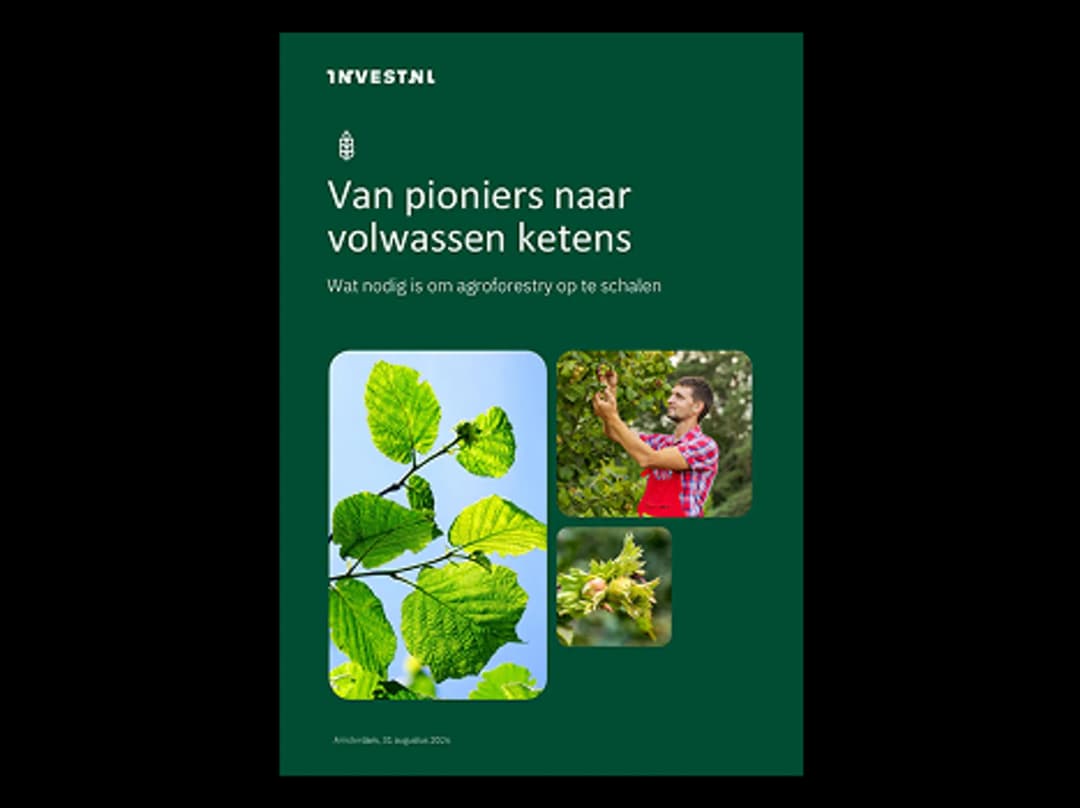
The study From pioneers to mature value chains shows that the market is not yet sufficiently organised for a public-private financing solution. Entrepreneurs often start carefully and in phases, usually with plots of one to three hectares. As a result, the financing requirement per business is still limited and fragmented. Larger financing volumes will only emerge once there is greater scale, certainty of sales and joint investment needs.
The next step towards bankability therefore lies in value-chain development. Growers’ collectives, processors, buyers and knowledge institutions can help to pool volumes, develop quality standards and increase certainty of sales.
Public framework conditions are also important. Agroforestry requires investment with a long-term horizon. Clarity on policy, subsidies, land leases and area-based programmes can give agricultural entrepreneurs greater certainty.
The study also looks at hazelnuts as a promising case. This crop responds to demand for local, plant-based ingredients, but the Dutch hazelnut value chain is still in its early stages. Processing, storage and sales are still organised on a small scale.
This shows a broader pattern that Invest-NL also encounters in other emerging markets: a market only becomes readily financeable when the value chain is sufficiently developed as well. By pooling volumes, increasing certainty of sales and strengthening collaboration across the value chain, larger and more readily financeable investment needs can emerge. Value-chain development is therefore a necessary step in making financing possible.
Invest-NL’s Market Development team investigates financing barriers that hinder the scaling up of innovative markets and works with entrepreneurs, financiers and public authorities to develop solutions that enable investment. Invest-NL will continue to monitor how the agroforestry market develops and which financing solutions are needed once sufficient scale and market demand have emerged.
Diederik Greeve
business development analyst