General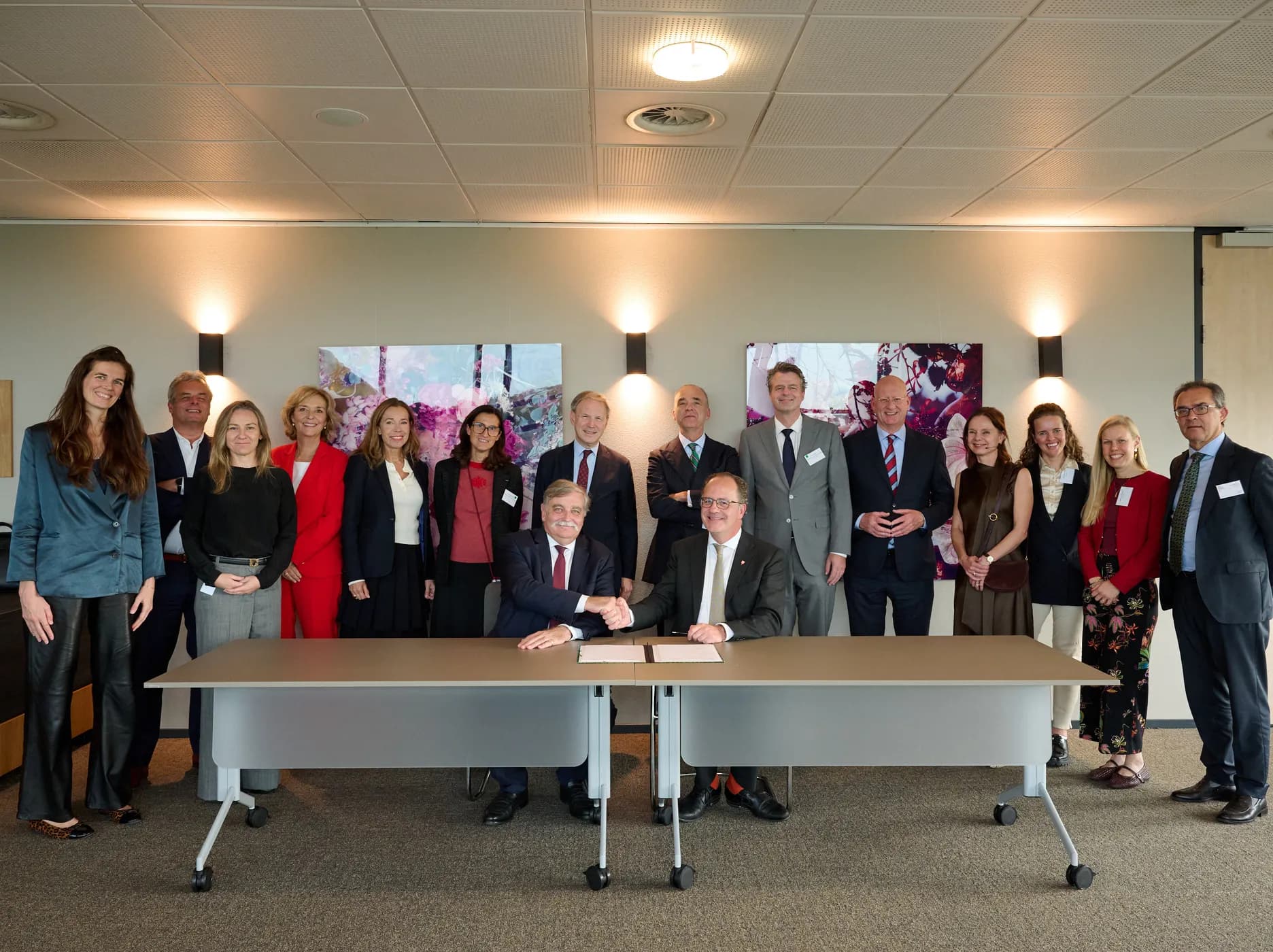
Invest-NL and Bpifrance expand cooperation for European technology champions
16 oktober 2026
July 8, 2026
5 minutes
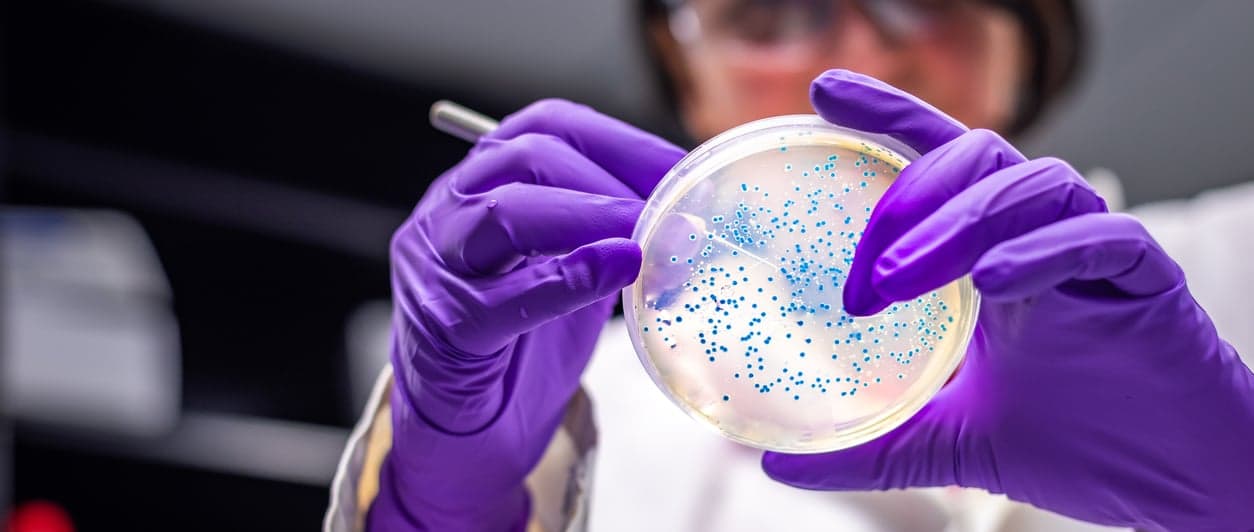
Biotechnology is developing rapidly into a key technology for the economy of the future. From new medicines, sustainable food production, circular materials, to bio-based industries: biotechnology offers solutions for major societal challenges and strengthens the future earning capacity of the Netherlands. The Netherlands has a strong starting position, but global competition is increasing.
Therefore, Invest-NL is launching a series of deep dives into the key biotech opportunities for the Netherlands, so that entrepreneurs, investors, and governments can work from a shared vision towards the future of the Dutch biotechnology sector.
Biotechnology utilises living organisms or parts of them, such as cells and enzymes, to create new products or improve processes. Think of new therapies, more sustainable food production, bio-based materials, or cleaner industrial processes.
Biotechnology is evolving from a scientific discipline into a technology increasingly supporting various sectors. What once started with fermentation has now grown into a technology that is becoming ever more important for a wide range of industries. Biotech is becoming a key building block in health, food production, industry, and the circular economy.
The global competition surrounding biotech is intensifying. Countries are investing in knowledge, production capacity, capital, talent, and control over strategic value chains. In Europe too, biotech is gaining higher priority on the agenda as part of competitiveness, resilience, and societal transitions.
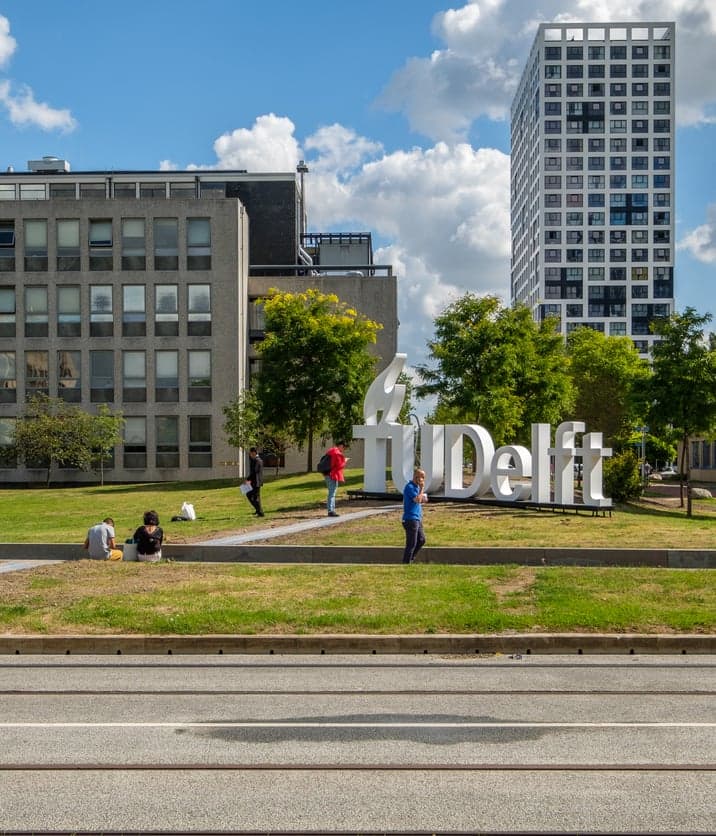
The Netherlands has a strong position from the outset. We possess high-quality knowledge, excellent universities, innovative startups, medical expertise, a powerful agrifood sector, and experience with high-tech and process development. It is precisely this combination that gives the Netherlands a good chance to play a leading role internationally.
However, this position does not automatically lead to new business activity, production capacity, and economic value for the Netherlands. The challenge lies in scaling up. It is during the phase between research and large-scale application that structural bottlenecks emerge. Companies face challenges related to financing, regulation, production infrastructure, market access, and talent. As a result, innovations are delayed or scaling and production ultimately take place elsewhere. This not only limits the growth of companies but also the future earning capacity and strategic autonomy of the Netherlands.
The Interdepartmental Implementation Agenda Biotechnology 2026 confirms the strategic importance of biotech. The government designates life sciences and biotechnology as a strategic domain for the future economy and societal well-being, and announces that together with Invest-NL, it will map the structural funding bottlenecks for the sector.
The series of biotech deep dives by Invest-NL directly builds on this. With in-depth analyses, Invest-NL identifies where the greatest investment opportunities lie, what structural barriers companies face when scaling up, and what prerequisites are needed to bring new technologies successfully to market.
The deep dives are intended for everyone working on the future of the Dutch biotechnology sector. For entrepreneurs, they provide insights into investment opportunities, scaling challenges, and market developments. Investors gain a clearer picture of the opportunities, risks, and structural funding bottlenecks within various biotech domains. For policymakers and knowledge institutions, the analyses offer points of connection to better align innovation, financing, and policy.
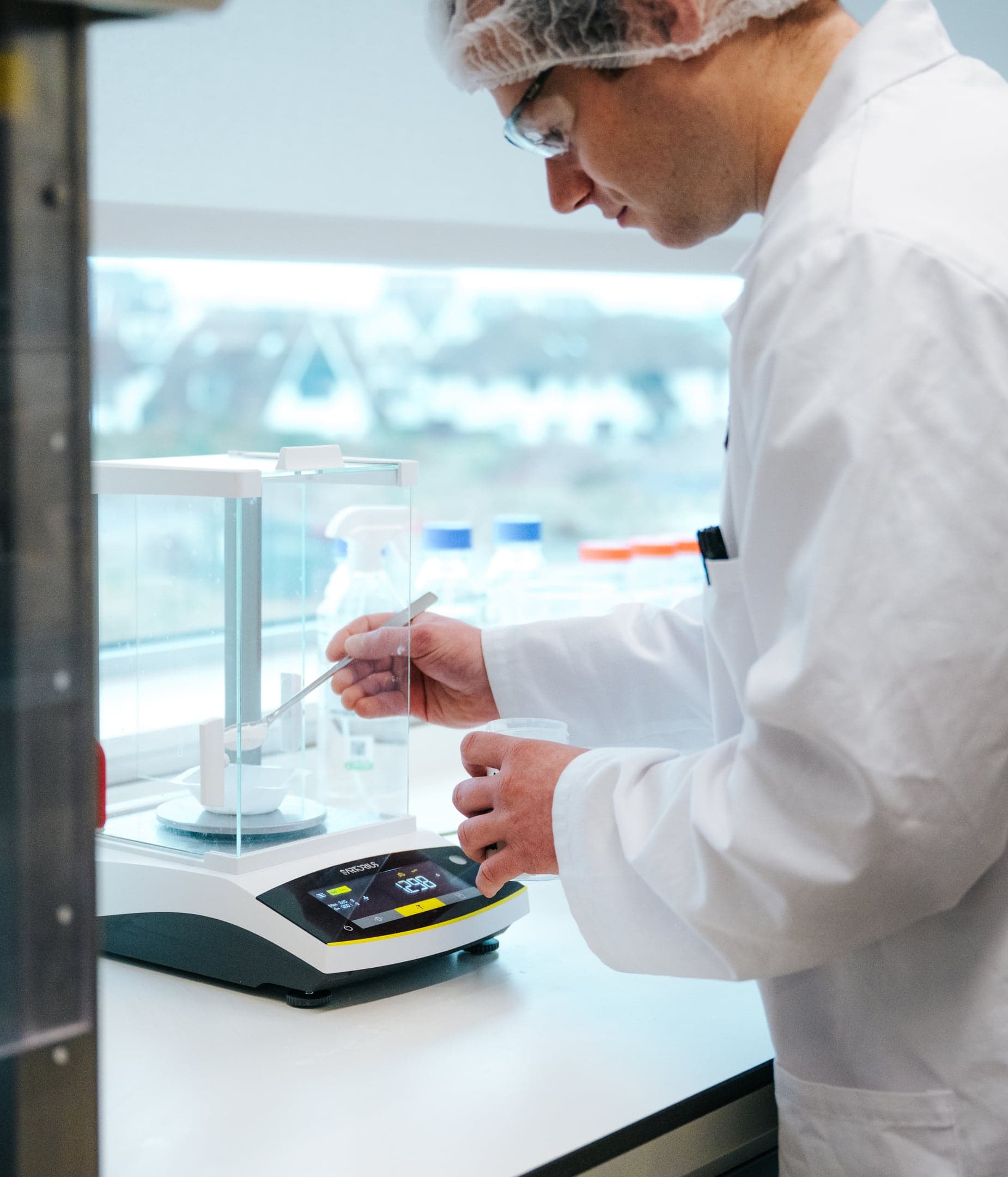
The biotech chain is examined through four interconnected deep dives. The common thread is always the same: where can the Netherlands turn its strong knowledge base into societal impact, new entrepreneurship, production capacity, and strategic value chains?
We will soon start with a deep dive into platform- and enabling biotech. These are the underlying technologies that make biotech applications possible, such as measurement instruments, automation, bioprocess development, and bio-data infrastructure.
Then follow three application areas:
As a national promotional institution, Invest-NL not only invests in innovative companies and funds but also works to remove structural funding bottlenecks that hinder scaling.
The analyses form the basis for a broader dialogue between entrepreneurs, investors, knowledge institutions and governments about the next phase of the Dutch biotechnology sector. In this way, Invest-NL aims to contribute to better investment decisions, stronger value chains and a competitive biotech sector in the Netherlands.
The first analysis will be published after the summer.
Michiel Strijland
sr. business development manager